
The date is set. The venue’s booked, the save-the-dates are out, and somewhere between the tasting and the seating chart you caught yourself in a photo and thought, I want to look different by then. Maybe it’s your wedding. Maybe it’s your daughter’s, a milestone birthday, a gala or a reunion where everyone will be taking pictures.
You’ve been here before. A few strict weeks, a few pounds gone, then the stress of planning and a string of dinners brought it all back.
The short answer: with enough time, a personal trainer for wedding prep can help you look leaner, stand taller and feel strong in the photos, but it won’t happen in three weeks, and crash dieting often costs you the muscle that makes the difference. The earlier you start, the more realistic the change. If your date is on the calendar, apply for coaching and tell us when the big day is. Your first session with us is a complimentary strategy session.
Key points
- Six months gives you room for real change. Three months is workable. Six weeks is mostly about polish.
- In one study of competitive athletes, slower dieters gained lean mass while faster dieters didn’t.
- Strength training changes how you look in photos: shoulders, arms, posture and how clothes hang.
- The last week isn’t for anything new. Keep training, food and sleep steady.
How much can you realistically change before a wedding?
It depends on your starting point, your consistency and how much time you have. Nobody can promise a number. But here’s roughly how we’d think about it.
Six months or more. This is the window where real change happens. Enough time to build strength, lose fat at a pace you can hold, and still have a few busy weeks without derailing. You’ll likely notice it in how you stand and how your clothes fit, not just on the scale.
Three to four months. Still a good window. Steady fat loss, noticeable strength gains if you’re new to lifting, and visible changes in your shoulders and arms. There’s less room for missed weeks, so consistency matters more.
Six to eight weeks. Honest answer: this is mostly polish. You can feel stronger, carry yourself better and lose some fat. A dramatic transformation in that time usually means an aggressive diet, and that tends to show up as looking flat and tired, not lean.
Less than a month? We’d still train you. We’d just focus on feeling good, sleeping well and standing tall, and we’d be honest that the bigger change is a longer project.
Why crash dieting backfires
The instinct when a date is coming is to cut hard. Skip meals, drop carbs, do extra cardio. The scale moves fast, at first.
The research points somewhere else. In a 2011 randomized trial, 24 competitive athletes who were all strength training four times a week were put on either a slower diet, aiming to lose about 0.7 percent of body weight per week, or a faster one aiming for about 1.4 percent. Both sets of athletes lost about 5.5 percent of their body weight. The slower dieters increased lean body mass by 2.1 percent. The faster dieters’ lean mass didn’t change. The slower plan also took longer: about eight and a half weeks against about five.
Those were trained athletes, not people planning a wedding, so we wouldn’t stretch it too far. But the principle matches what we see: lose weight slower, keep training hard, and more of what comes off is fat. That’s the difference between looking smaller and looking lean. It’s also why we’d rather start early than start desperate.
What we’d focus on for a wedding or event
Treat this as our approach rather than a plan to follow. The details depend on you and how far away your date is.
- Start with an assessment. Posture, shoulders, hips, anything that hurts. You can’t see your own rounded upper back, but the camera can.
- Train for the photos. Upper back, shoulders and arms change how you look in a suit or a dress. Legs and glutes change how you carry yourself. Everything gets trained, progressively.
- Set a steady pace on food. A moderate deficit with plenty of protein, retuned every few weeks as the scale, your training and your hunger shift. Nutrition coaching is included, so you’re not guessing.
- Plan around the planning. Tastings, showers, a bachelor or bachelorette weekend, work travel. The plan should bend around those weeks, not break.
- Time it with your fittings. Big changes late in the process can mean another alteration. In our experience, it helps to have most of the change done before the final fitting.
- Keep the last week boring. No new workouts, no new diets, no new supplements. Sleep, train lightly, eat what you’ve been eating.
How big a deficit, and when do you push?
You know the basics: lift, eat well, sleep. The hard part is the dose and the timing. How big a deficit is too big? When do you push, and when are you just too stressed and tired to train hard this week? And what do you do when the planning eats your evenings for a month?
Under a deadline, most people swing between all-in and nothing. A coach keeps the steady middle going, adjusts the food when progress stalls, and notices when you’re running on empty before you do.
From the floor: In our experience, people with a date on the calendar are some of the most motivated people we train. The risk isn’t effort. It’s too much too soon, then burnout right when the planning gets busiest. Steady wins.
If your date is a few months out and you want to use the time well, apply for coaching and tell us what you want to feel like that day.
What if you’re already in good shape?
Then the months before the date are a chance to sharpen what you’ve built, not start over. We’d keep what’s working, add load where it shows in the photos and tighten the food so you feel ready on the day.
And if you mostly want to feel calm and rested, that’s part of the plan too: sleep, a lighter last week, and training that gives you energy instead of draining it. The last thing anyone needs before a wedding is a tweaked back, so nothing new or risky goes in close to the date.
What happens after the event
This is the part people forget. The wedding passes, the photos come back, and the habits that got you there fall away. The way we see it, the date is a great reason to start, but the real win is a body and a routine that last past it. At Gryffon Performance we train you toward a lean, balanced body you keep, not one you rent for a weekend.
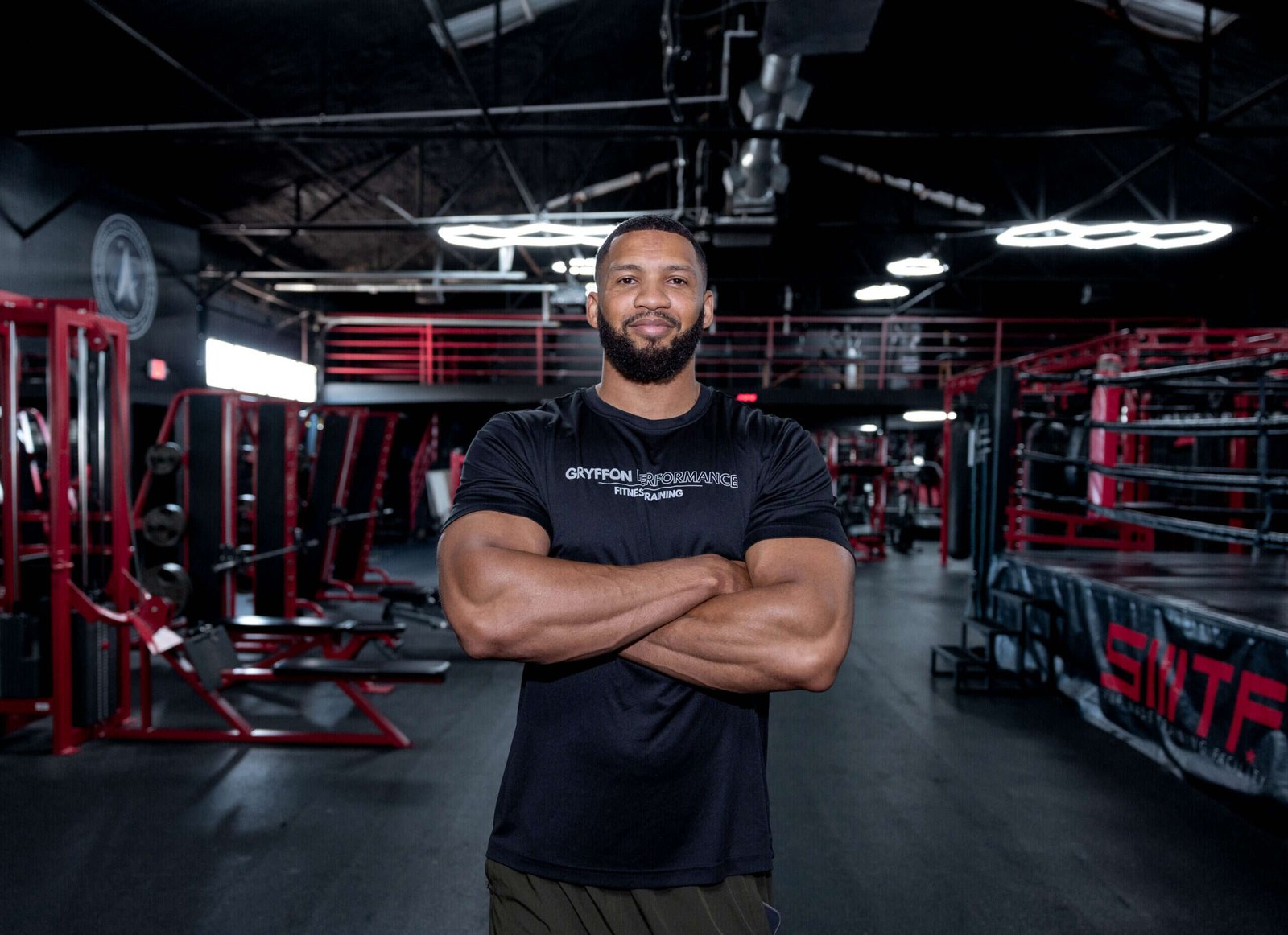
Your first step is a complimentary strategy session: an hour, in person, with David, our founder and head coach. Tell him your date and what you’ll be wearing. He’ll ask about your training history, your schedule and anything that hurts, then walk you through a physical assessment, talk food and show you the studio. You leave with a starting point, a plan that counts back from the day, and a schedule that survives tastings and work trips.
David brings more than 15 years of coaching men and women, and he plans the months after your date as carefully as the weeks before it.
Training for a wedding in Dallas
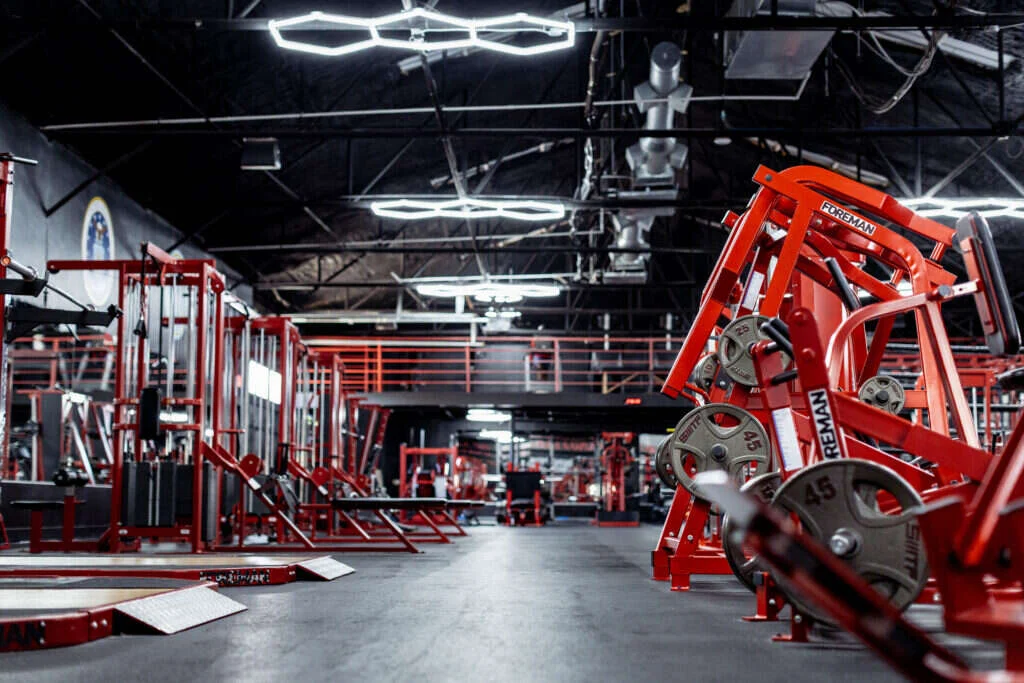
Gryffon Performance is a private training studio at 1925 E Levee St, Dallas, TX 75207, in the Dallas Design District, with free parking. We’re about 12 minutes from Highland Park and close to Uptown, Oak Lawn, the Medical District and Bluffview, and we coach people from the Park Cities and across Dallas. Get directions
50+ five-star Google reviews. Fifteen thousand square feet, private, built for coaching and nothing else. Every client gets a comprehensive assessment and personalized nutrition, included.
Apply for coaching and tell us your date. You’ll hear back within 24 hours, and your first session with us is a complimentary strategy session.
Related reading
General information about training, not medical advice.
References
- Garthe I, Raastad T, Refsnes PE, Koivisto A, Sundgot-Borgen J. International Journal of Sport Nutrition and Exercise Metabolism, 2011;21(2):97-104. doi:10.1123/ijsnem.21.2.97. PMID 21558571.