
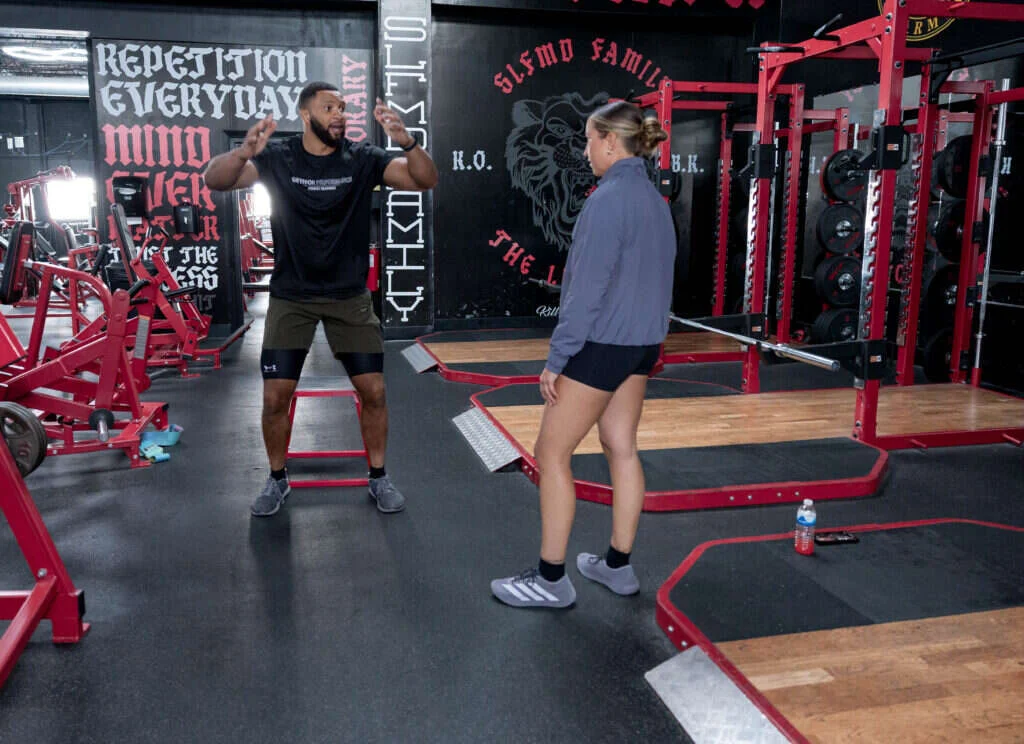
You picked up pickleball as a fun way to move on weekends. Now it’s three mornings a week, a league on Thursday nights, and a text thread that never stops asking who’s in. Or you’ve played tennis since high school and the serve that used to be a weapon now needs two warm-up sets before it shows up. Either way, your calves stay tight for days and your elbow grumbles.
Most players respond by playing more. More court time feels like training. It isn’t quite.
The short answer: strength training for pickleball and tennis builds what court time doesn’t: braking strength, lateral power, rotation and a shoulder that tolerates hundreds of swings. Done right, it makes you quicker to the ball and helps you stay on the court through a busy season. If your game has outgrown your body, apply for coaching and tell us how often you’re playing. Your first session with us is a complimentary strategy session.
Key points
- Court sports are stop-and-go: short sprints, hard stops, quick changes of direction and rotation, repeated hundreds of times a match.
- A network meta-analysis of 20 studies and 606 tennis players found resistance, plyometric, core and mixed training all increased serve speed compared with regular training.
- Playing more builds skill. It doesn’t build the strength to slow down, push off and swing hard for years.
- The plan has to fit around how much you play, which changes with leagues, tournaments and travel.
What do tennis and pickleball really ask of your body?
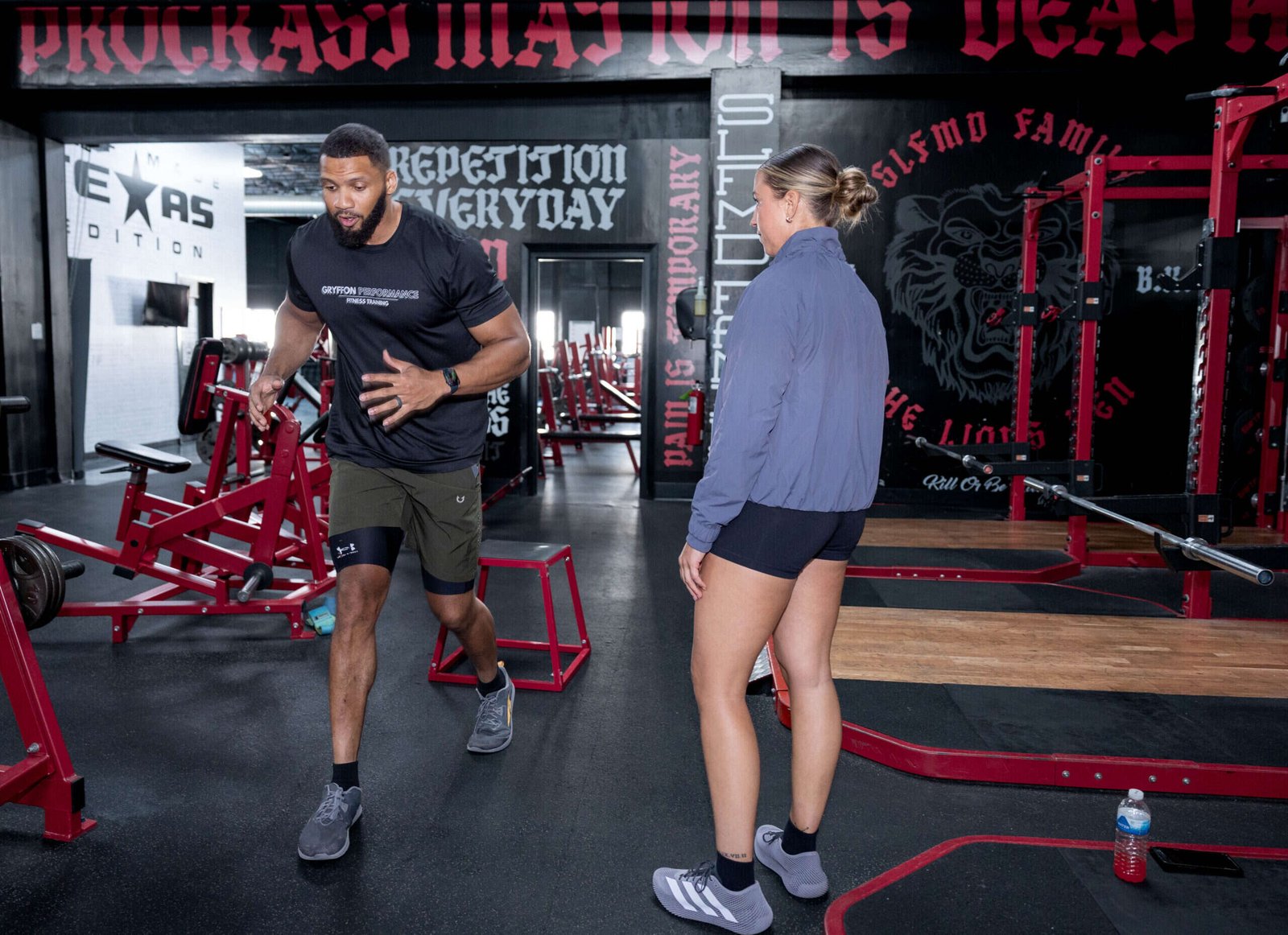
Watch a rally closely. A split step. Two or three fast steps to the side. A plant, a swing, then a hard stop and a push back the other way. Pickleball adds long stretches in a low, bent-knee stance at the kitchen line, plus quick hands and sudden lunges for a ball at your feet. Tennis adds the serve, which asks your shoulder to accelerate and then decelerate the arm at high speed, over and over.
Underneath all of that are a few physical qualities:
- Deceleration. Stopping usually asks more of the body than starting. Your quads, glutes and the tendons around your knees and ankles absorb the brakes every time you change direction.
- Lateral strength. Most gym training goes forward and back. Your sport goes side to side.
- Rotation. Power for a drive or a serve comes up from the ground through your hips and trunk. The arm is the last link, not the engine.
- Shoulder, elbow and forearm capacity. Hundreds of contacts a week add up. Those tissues need to be trained for the volume you’re playing.
- Repeat-effort conditioning. Points are short bursts with brief rests. You want to be as quick in the third set or the fourth game as you were in the first.
What does the research show?
Most of the research is in tennis. Pickleball is newer and the studies haven’t caught up, but the movement demands overlap enough that we lean on the tennis findings.
A 2026 network meta-analysis by Hu and colleagues pooled 20 studies covering 606 tennis players. Compared with regular training, plyometric training, resistance training, core stability training and mixed programs all increased serve velocity. None of them clearly improved serve accuracy. The way we read it, accuracy is a skill you build on the court, and strength gives that skill more speed to work with. The authors rated the evidence high or moderate for some of the serve speed comparisons and generally low for accuracy and upper-body power, so treat it as encouraging rather than final.
The takeaway is simple. Strength off the court shows up as speed on it, and court time stays where you sharpen the touch.
Why playing more isn’t the same as training
Your sport loads the same tissues in the same patterns, often on the same side. That builds timing and feel. It doesn’t build reserve. In our experience, the players who come in sore are rarely the ones who play least. They’re the ones whose playing went up fast while their strength stayed where it was.
Training on your own has its own traps. You might copy an athlete’s workout from social media that’s built for a 22-year-old on a full-time schedule. You might do a few band exercises for your shoulder and call it covered. Or you might lift hard on Wednesday and wonder why your legs feel flat in Thursday’s league match. Getting the volume, the timing and the exercise choice right around a moving playing schedule is the hard bit, and it’s where most self-built plans fall apart.
What we’d train for a court player
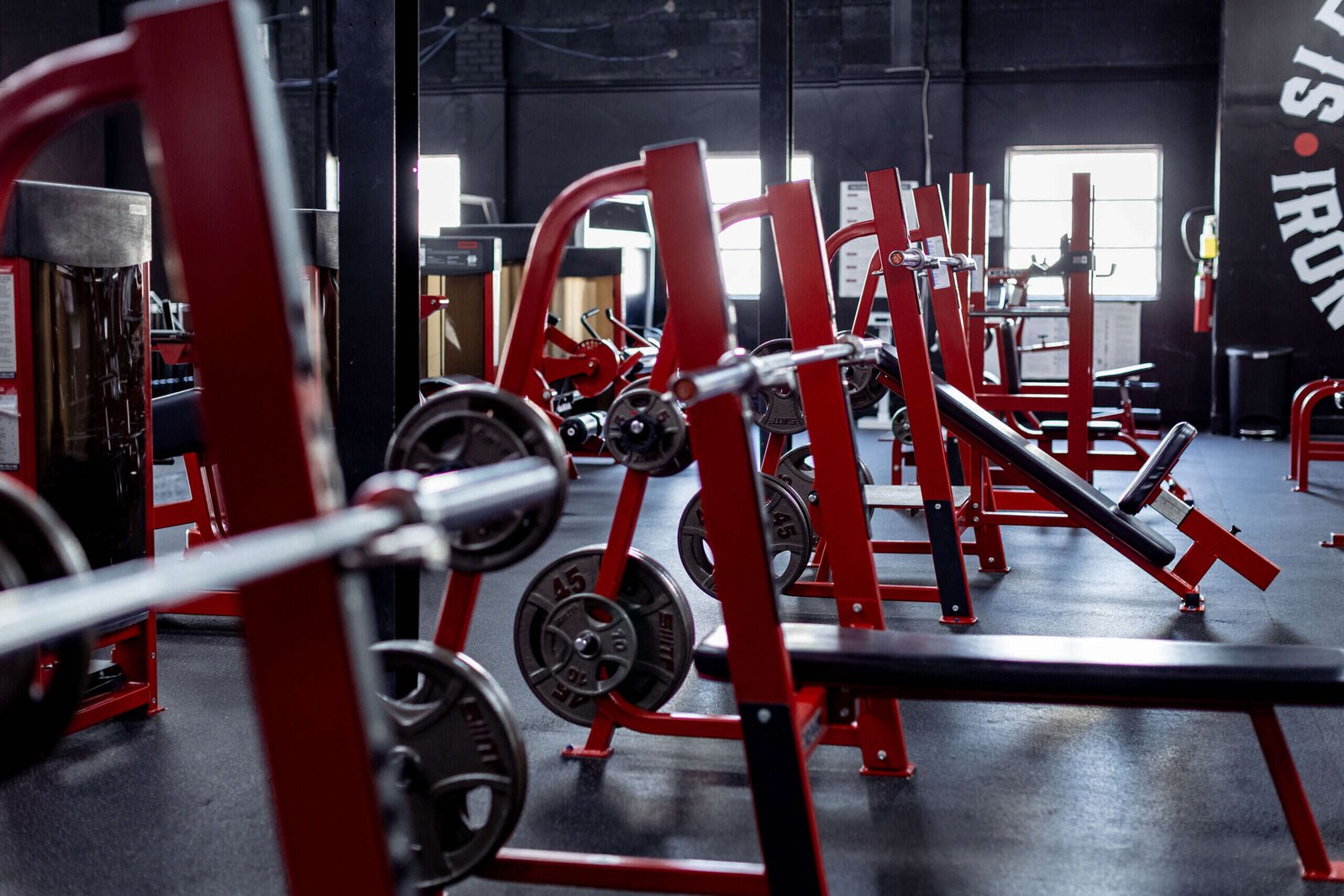
Think of these as principles, not a prescription. Where you start depends on how you move today and how much you play.
- Brakes first. Controlled lunges, step-downs and lateral lunges, loaded over time, so your legs can stop you as well as they start you.
- Side-to-side strength. Lateral step-ups, sled drags in different directions and single-leg work that challenges the hip from the side.
- Rotation from the ground up. Medicine ball throws, cable chops and lifts, and anti-rotation work that teaches the trunk to transfer force rather than leak it.
- A shoulder built for volume. Upper back strength, rotator cuff work that actually progresses, and pressing and pulling at angles your sport uses.
- Grip and forearms. Often skipped, and the first place to complain when weekly contacts climb.
- Quick feet with intent. Short, sharp efforts with full rest, so you get faster rather than just tired.
From the floor: In our experience, the pickleball players who find us often came to the sport later in life, fell in love with it, and went from casual to near-daily inside a few months. Their enthusiasm outran their legs. Playing less isn’t the answer. Building a body that’s caught up to how much they want to play is.
If you’re on the court more than ever and feeling it, apply for coaching and tell us what’s been sore after matches.
Why work with Gryffon Performance
We build your training around your playing, not the other way round. Heavier work lands where it won’t flatten your league night. Lighter weeks line up with tournaments. When you travel, we adjust the plan so it keeps moving.
Staying out of injury matters here. A strained calf or a cranky elbow doesn’t just cost you matches. It costs your mornings, your sleep and your mood at work. Keeping you on the court is part of our job, so each exercise, load and progression gets picked with that in mind, and we ease off as soon as your body asks.
Aches get a real answer instead of a guess. In our experience, a sore elbow or a stiff knee after matches often points to a strength gap somewhere up the chain. We look for it and build it, at a pace your joints can handle. And you’ll learn why each exercise is there, which makes you a smarter player as well as a stronger one.
Beyond the scoreboard, Gryffon Performance is after a lean, balanced body that moves well in every direction, on the court and off it.
First comes a complimentary strategy session, about sixty minutes at the studio. David, our founder and head coach, will want your league nights and tournament dates, your goals, your history and anything that’s been hurting. Then he’ll assess how you move, ask what you eat around matches and show you the floor. You go home with a first step and a plan that bends around your court time.
David has been coaching men and women for more than fifteen years. His own story includes a serious back injury and, later, a 600-pound deadlift, so rebuilding a body you depend on isn’t theory to him.
Not sure if your elbow or knee is something more? That’s common, and no reason to put this off. Seeing how you move up close is David’s first job, and if it points past training, he has the right doctors to send you to.
Strength training for pickleball and tennis in Dallas
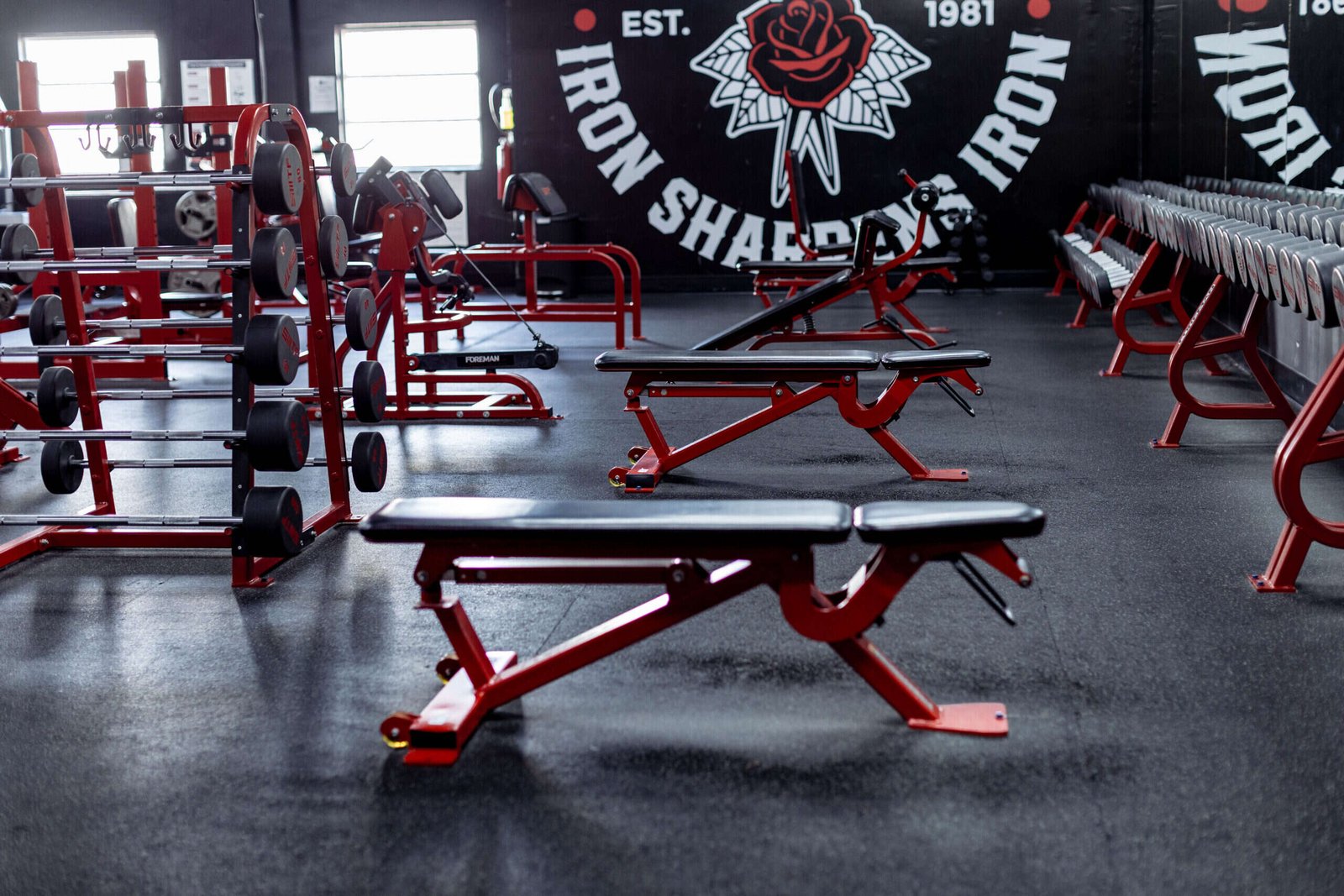
Gryffon Performance is a private training studio at 1925 E Levee St, Dallas, TX 75207, in the Dallas Design District, with free parking. We’re about 12 minutes from Highland Park and close to Uptown, Oak Lawn, the Medical District and Bluffview, and we coach people from the Park Cities and across Dallas. Get directions
50+ five-star Google reviews. Fifteen thousand square feet, private, built for coaching and nothing else. Every client gets a comprehensive assessment and personalized nutrition, included.
Apply for coaching and tell us which sport you play and how often. You’ll hear back within 24 hours, and your first session with us is a complimentary strategy session.
Related reading
- Strength Training for Golfers in Dallas
- Athletic Performance Training in Dallas: Getting Capability Back
General information about training, not medical advice.
References
- Hu S, Wang F, Liu J, Zhi Y, Wang G. Comparative effects of exercise training on serve performance and upper-body power in tennis players: a systematic review and network meta-analysis. Frontiers in Physiology, 2026;17:1920673. doi:10.3389/fphys.2026.1920673