
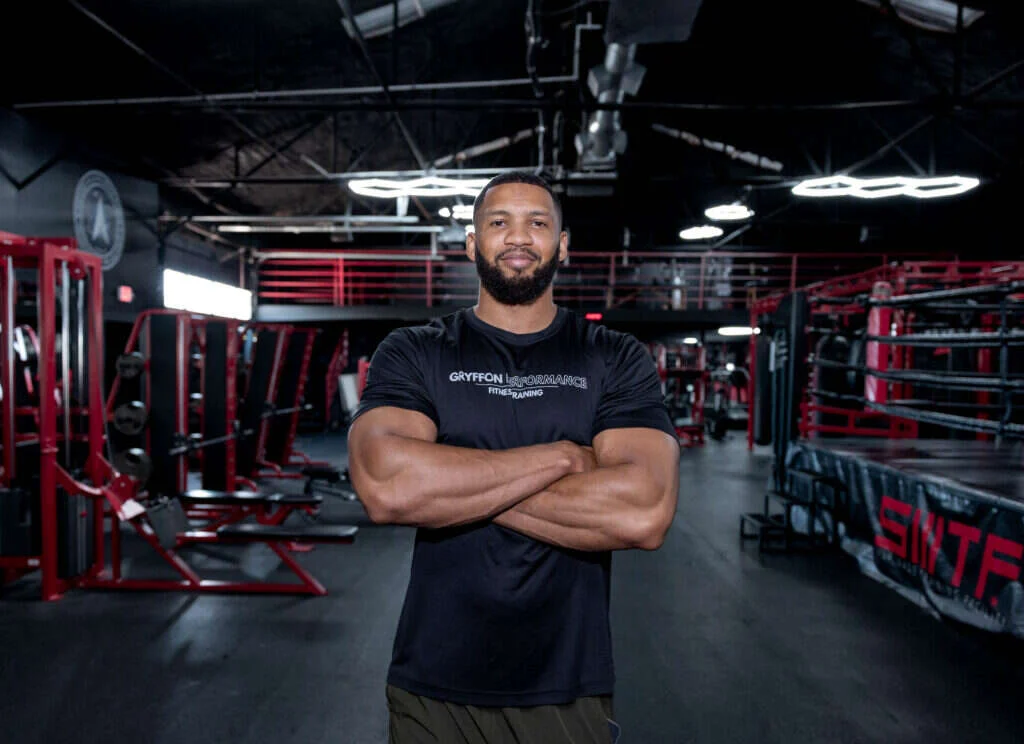
You used to be the one who trained. College lifting, a couple of half marathons, the rec league where you were still the fastest one on the field. Then came the job, the kids and the move across Dallas. Now even the airport stairs remind you.
You’ve tried to restart. You went back to your old workout at your old weights and felt great for about ten days. Then a shoulder or your lower back said no, and you lost another month.
The short answer: getting back in shape after years off works when you start below where your memory says you should, rebuild in phases, and let your joints and tendons catch up with your muscles. People who used to be fit rarely fail from doing too little. They get hurt doing too much, too soon. If that’s your story, apply for coaching and tell us the athlete you used to be. Your first session with us is a complimentary strategy session.
Key points
- In our experience, former athletes stall from doing too much too soon far more often than from doing too little.
- A meta-analysis of 103 studies found that stopping strength training reduced every measure of strength, and the longer the break, the bigger the drop.
- The way we see it, muscle often comes back faster than your tendons and joints are ready for. Pacing the comeback is how you stay out of injury.
- Your nutrition needs aren’t what they were at 22, so the plan has to change with your body.
What happens to your body after years off?
You lose some of what you built. That’s not a guess. A 2013 meta-analysis by Bosquet and colleagues pooled 103 studies on what happens when people stop strength training. Every part of strength they measured went down: submaximal strength, maximal force and power. The longer the break, the bigger the loss. The drop was larger in people over 65, and for maximal force and power it was larger in inactive people than in recreational athletes.
So if it’s been five or ten years, you’re not starting where you left off. That’s the honest part.
The encouraging part is that you’re not starting from zero either. You know how to brace. You know what a hard set feels like. You know how to show up when you’d rather not. In our experience, people who trained before tend to pick the movements back up quickly. That head start is real. It’s also the trap.
Why does your old program hurt you now?
Your memory holds the numbers you used to lift. Your body holds the strength you have today. Those two numbers can be far apart.
The old program was written for someone who trained five days a week, slept nine hours and recovered overnight. You’ve got a career, a family and a commute. Same exercises, different person.
Then there’s the way the body comes back. The way we see it, muscle and confidence return faster than tendons and joints adapt. By week two you feel like your old self, so you add weight. By week four your elbow or knee is sore, because the tissue around it hasn’t caught up. It’s a pattern we hear about all the time: two great weeks, one tweak, a month off.
Former athletes also tend to push through things they shouldn’t. That attitude won games once. Now it costs you weeks.
How should a comeback be built?
This is our approach, not a program. The details depend on you.
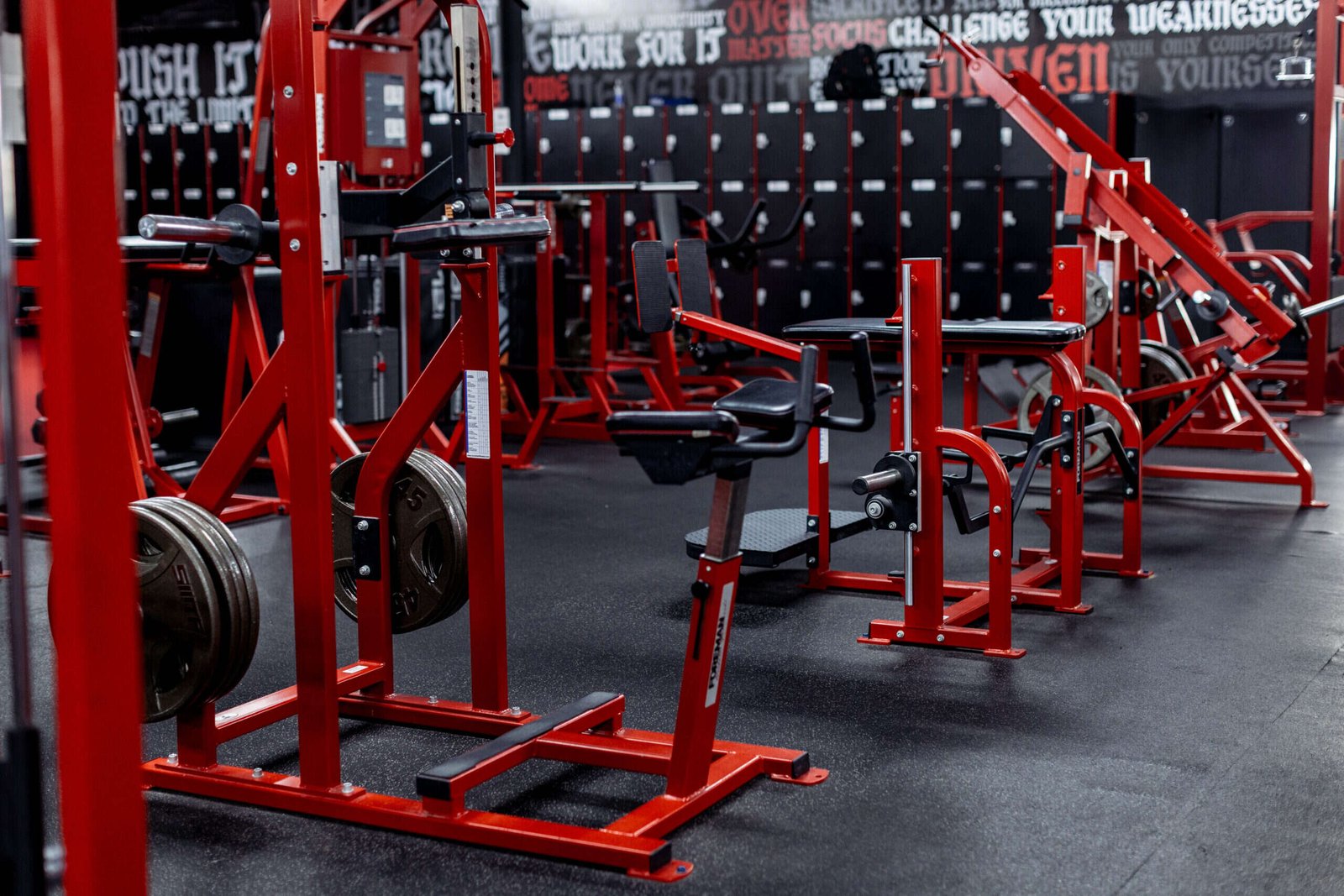
- Start lighter than your ego wants. The first weeks are for rebuilding how you move and how much your joints can handle, not for testing old numbers. It’s also where we see the compensations you picked up in the years off, the ones you can’t feel from the inside.
- Build strength in steps. Once the base holds, the load climbs steadily. Stay too light and you stand still. Jump too fast and an elbow or a knee starts complaining. Landing between the two, every single week, is most of the job.
- Read the next morning. How you feel the day after tells you more than how a set felt. If you’re beat up, we back off a step. If you’re fine, the weight goes up.
- Go after what you want back. A rec league, a half marathon, a heavy squat, keeping up with your kids. Once the foundation’s there, training aims at that.
- Fix the food. Your appetite, schedule and body composition have changed. Your nutrition targets need to follow, and keep moving as you do.
Why is it so hard to do on your own?
You already know how to work hard. That’s not the problem. The problem is that the instincts that made you good back then (push harder, don’t skip, ignore the ache) are the ones most likely to hurt you now.
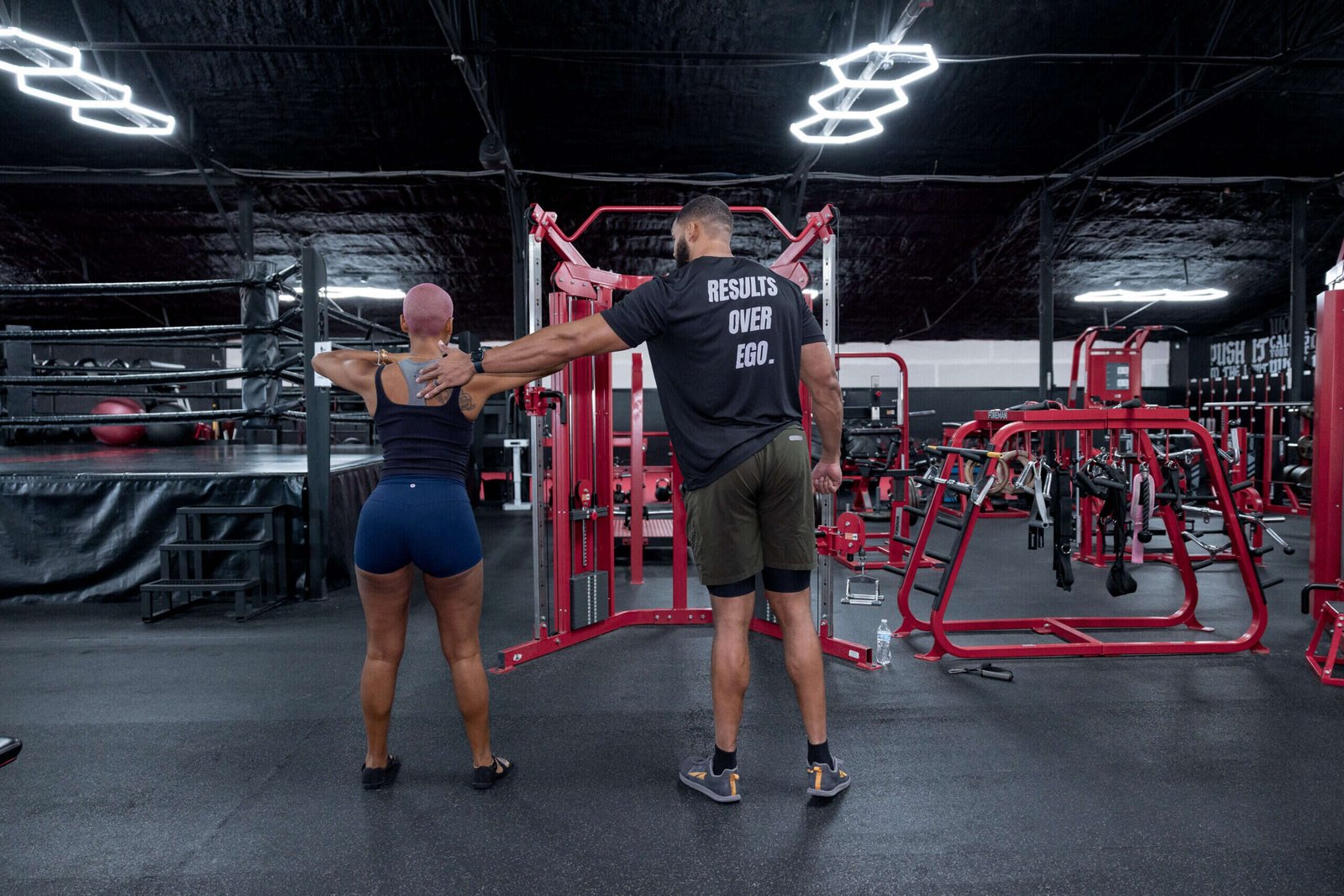
A coach supplies the part you’re missing: an outside eye. Someone who sees that your hips shift on a squat, notices you’re still sore from two sessions ago, and holds the weight steady for one more week when you’re itching to add more. We treat keeping you healthy as part of the work, so the comeback doesn’t keep getting interrupted by setbacks.
It also takes the planning off you. Designing a comeback, adjusting it every week and building the nutrition around a busy life is real work. Most people don’t have the energy for it at the end of the day. With a coach, your job is to show up and lift; the rest is sorted before you arrive.
From the floor: Ex-athletes are a pleasure to coach and a challenge to hold back, in our experience. They remember how to suffer. What’s usually missing is the patience to start light, and someone telling them when it’s time to go.
If you’ve restarted more than once and keep ending up in the same place, apply for coaching and tell us how the last comeback went.
Getting back to who you were
The hard part isn’t remembering how to train. It’s training right for long enough this time, with someone who sees what you can’t.
At Gryffon Performance the target is a lean, balanced body that handles real life, not just a number on the bar. Nutrition coaching is included in every training program, because getting back in shape is as much about the kitchen as the barbell.
David, our founder and head coach, has lived this. A serious back injury took him out once. He rebuilt from there and has since deadlifted 600 pounds. He brings that, plus 15-plus years of coaching men and women, to every comeback he plans.
Your comeback starts with a complimentary strategy session with him, an hour in person at the studio. Bring the old story and the new one: what you used to do, what you want back, how your days run now, what aches. Next comes a physical assessment, a talk about food and a walk around the floor. You’ll go home with an honest starting point, a schedule that fits the life you have now, and a plan you understand.
Worried that old knee or shoulder will hold you back? Bring it. Watching you move is the first thing David does, and if it turns out to be something for a doctor rather than a coach, he’ll connect you with the right one.
Getting back in shape in Dallas
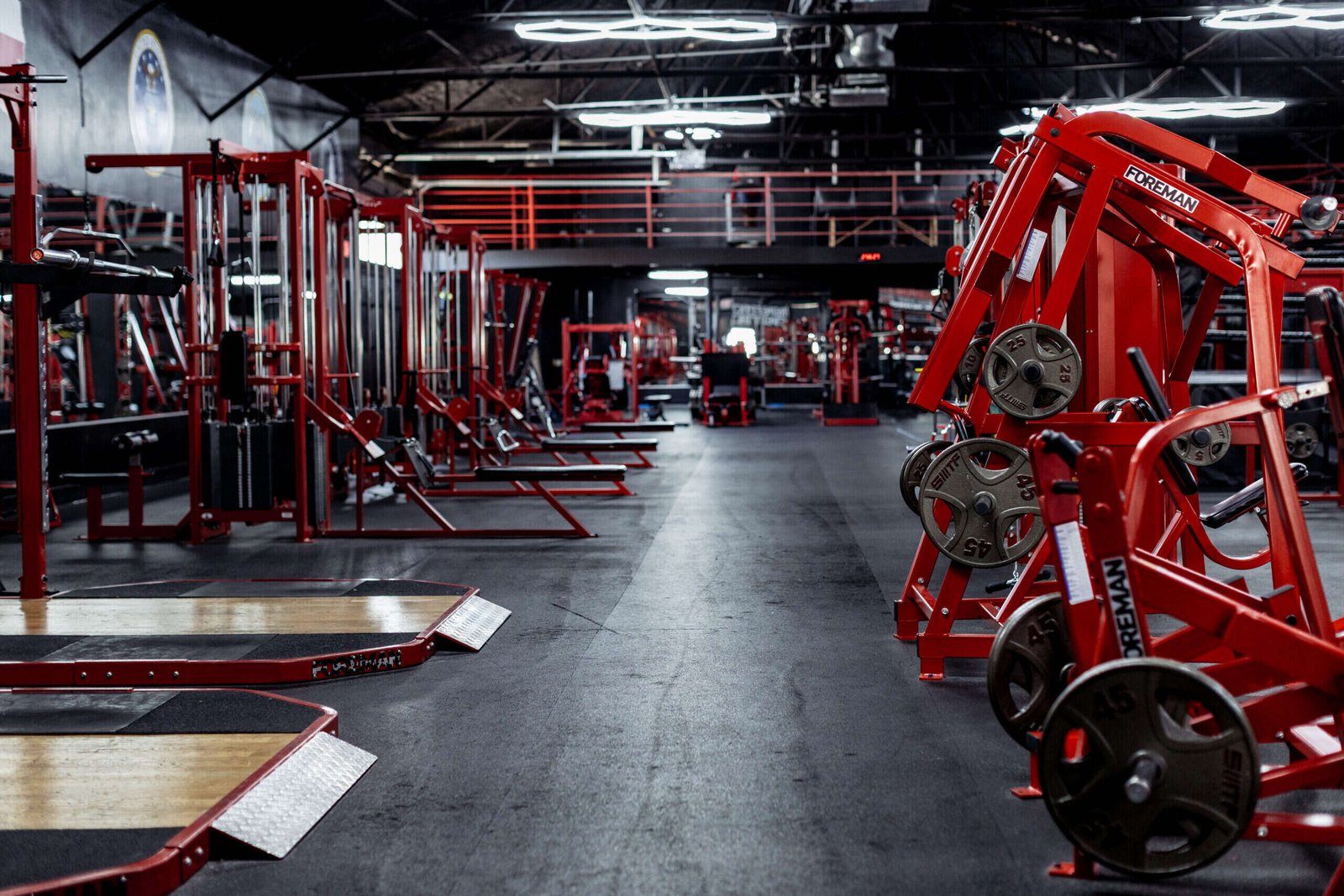
Gryffon Performance is a private training studio at 1925 E Levee St, Dallas, TX 75207, in the Dallas Design District, with free parking. We’re about 12 minutes from Highland Park and close to Uptown, Oak Lawn, the Medical District and Bluffview, and we coach people from the Park Cities and across Dallas. Get directions
50+ five-star Google reviews. Fifteen thousand square feet, private, built for coaching and nothing else. Every client gets a comprehensive assessment and personalized nutrition, included.
Apply for coaching and tell us what you want back. You’ll hear back within 24 hours, and your first session with us is a complimentary strategy session.
Related reading
General information about training, not medical advice.
References
- Bosquet L, Berryman N, Dupuy O, et al. Effect of training cessation on muscular performance: a meta-analysis. Scandinavian Journal of Medicine and Science in Sports, 2013;23(3):e140-e149. doi:10.1111/sms.12047