
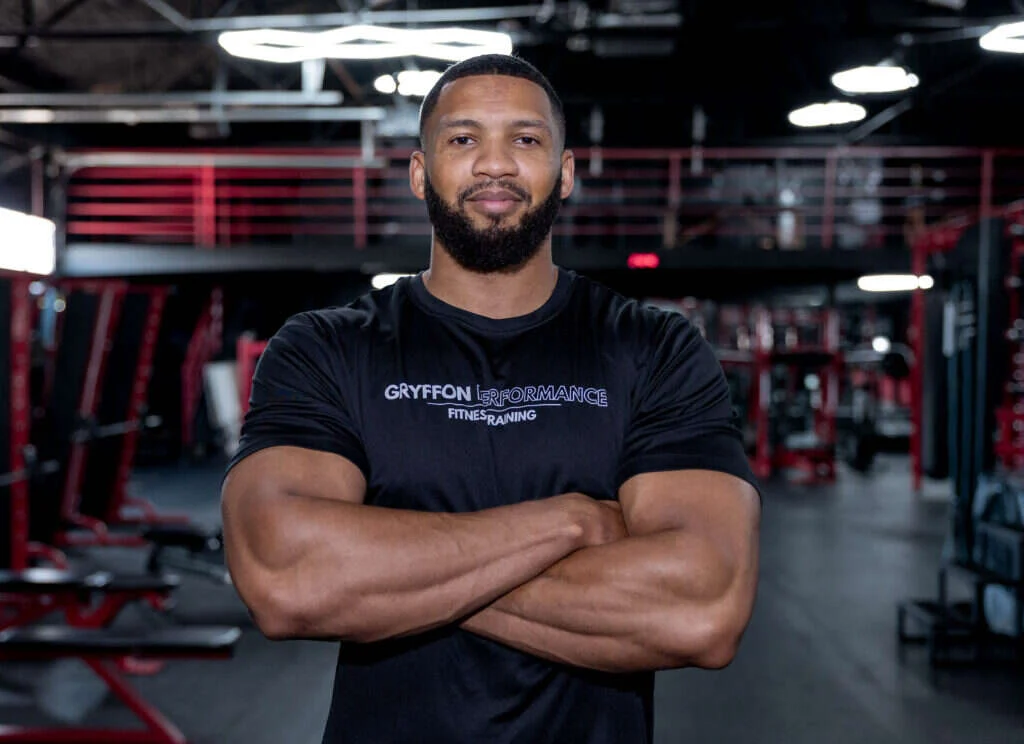
It hits around three in the afternoon. You’ve had the second coffee, the inbox is still full, and the idea of training after work feels like a joke. You get home, eat something quick, scroll for an hour and go to bed tired but wired. The weekend is supposed to be recovery, but it’s errands, kids’ games and catching up on email. Monday, you start the week already behind.
You keep telling yourself you’ll start exercising once you have more energy. The energy never shows up first.
The short answer: for a lot of people, the right kind of exercise for energy is regular, well-dosed strength training paired with better food, not waiting until you feel rested. It won’t fix everything that drains you, but it often changes how much a normal day costs. If you’re tired of being tired, apply for coaching and tell us what your days feel like. Your first session with us is a complimentary strategy session.
Key points
- A meta-analysis of exercise in general found regular training raised feelings of energy and lowered fatigue, though studies that compared exercise alone with a placebo found no effect.
- Strength training builds capacity, so stairs, bags, kids and long days take less out of you.
- The dose matters: training that’s too hard can leave you more drained, not less.
- Food is half of it. Under-eating protein and running on caffeine tends to show up as an afternoon crash.
Why are you so tired?
Usually it’s a pile-up, not one thing. Short sleep. Long hours sitting. Meals skipped or grabbed between meetings. More caffeine to cover the gap. Stress that keeps you alert at the wrong times. And very little physical work, which sounds restful but often isn’t.
Feeling tired and being low on physical capacity aren’t the same thing, but they feed each other. When you’re out of shape, ordinary tasks take a bigger share of what you have. Carrying luggage through DFW, walking a long conference floor, getting down on the ground with your kids: each one costs more than it should, and by evening there’s nothing left.
Tiredness has plenty of causes, and training won’t touch every one of them. It does change the parts that training and food control, and for most people that’s a bigger share than they expect.
Does exercise actually give you more energy?
A 2006 meta-analysis by Puetz, O’Connor and Dishman pooled studies of regular exercise, of all kinds rather than strength training specifically, and feelings of energy and fatigue. Overall, people who exercised over weeks reported more energy and less fatigue than people who didn’t, a modest effect of about 0.37 on the scale researchers use to compare studies.
There’s an honest catch. In the studies that compared exercise alone against a placebo condition, the effect disappeared. Some placebo conditions seemed to boost energy too, especially in older adults and people under psychological strain. So the research supports exercise for energy, with a real question mark over how much of the effect is the exercise itself.
The way we see it, that fits what we notice on the floor. Energy improves when the whole routine improves: the training, the food, the sleep and the sense of being on top of something. Strength training is a big part of that, but it works far better as part of a plan, not in isolation.
Why strength training in particular?
Walking helps. So does any movement. But strength training does a few things the others don’t.
- It raises your ceiling. As you get stronger, everyday tasks use a smaller slice of your capacity. In our experience, people describe that as feeling less worn down, even though their days haven’t changed.
- It builds muscle you carry all day. More muscle tends to mean better posture under load and less stiffness after a long day in a chair.
- It gives you a win you can see. More weight on the bar this month than last. When work feels like it never moves forward, that progress counts for more than people expect.
- It can be dosed precisely. Unlike a hard cardio workout that only has one speed, strength work can be scaled up on a good day and backed off on a bad one.
Why doing it alone often makes you more tired
When you’re already exhausted, two things tend to happen on your own. Either you skip, because there’s no energy to plan anything. Or you go too hard, because “if I’m going to suffer, it should count.” A brutal workout on four hours of sleep can flatten you for two days and confirm your belief that exercise makes things worse.
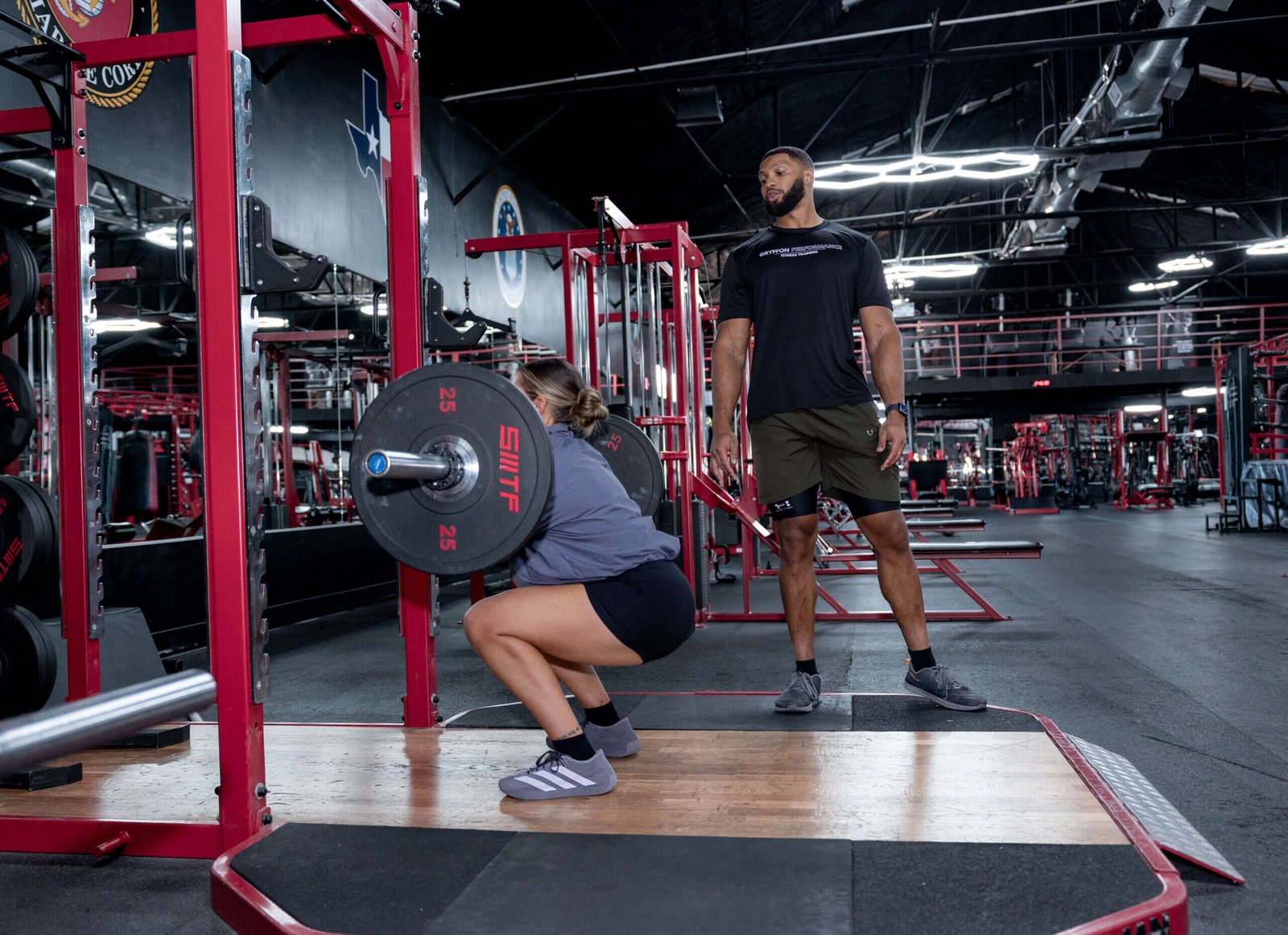
Getting the dose right is a judgment call that changes week to week. How did you sleep? How’s work? Are you eating enough? A coach reads that and adjusts. A program from an app can’t.
Food is the other trap. A lot of tired people eat very little protein before dinner, then pick at snacks all evening. We often see the afternoon change once breakfast and lunch are fixed. Every training program here includes nutrition coaching built around you, and the targets get adjusted as your weight, training and appetite shift.
From the floor: “I’m too tired to train” is something we hear a lot, and in our experience the person saying it is usually running on very little: short nights, skipped meals and no movement beyond the walk to the car. The first few weeks are deliberately easier than they expect. The goal is to leave each session feeling better than when they arrived, then build from there.
If you’ve been waiting for the energy to show up first, apply for coaching and tell us how you’re sleeping and eating.
How we coach someone who’s running on empty
We start where your energy actually is, not where a template says it should be. Sessions are dosed to leave you better, and the plan adjusts around travel, deadlines and rough nights.
We take the decisions off your plate. When you’re tired, every choice feels heavy. You show up, the training is ready, and the food targets are clear enough to follow at a client lunch.
We protect your body while it adapts. Exhaustion is when form slips and injuries happen. Staying out of injury is one of the things we coach for, so nothing gets added until your form and recovery say you’re ready for it.
And you’ll understand why. Learning how sleep, food and training connect for your own body is what keeps the energy coming back long after the first few months.
Underneath all of it, Gryffon Performance aims for a lean, balanced body with energy left over for the life you’ve built.
Day one is a complimentary strategy session, and it takes about an hour at the studio. David, our founder and head coach, covers your goals, history, schedule, sleep and anything that hurts. A physical assessment follows, plus an honest look at how you eat on a workday and a tour of the studio. You’ll come away with a starting point and a plan you can actually keep up with.
David has coached men and women for over 15 years. He’s had his own low point, too: a serious back injury he came back from, and a 600-pound deadlift since. He knows what climbing out takes.
Not sure why you’re so worn out? Plenty of people can’t say, and it shouldn’t keep you waiting. In the studio, David reads how you move and how you’re living. If something seems to need more than training, he’ll put you in touch with doctors he trusts.
Strength training for energy in Dallas
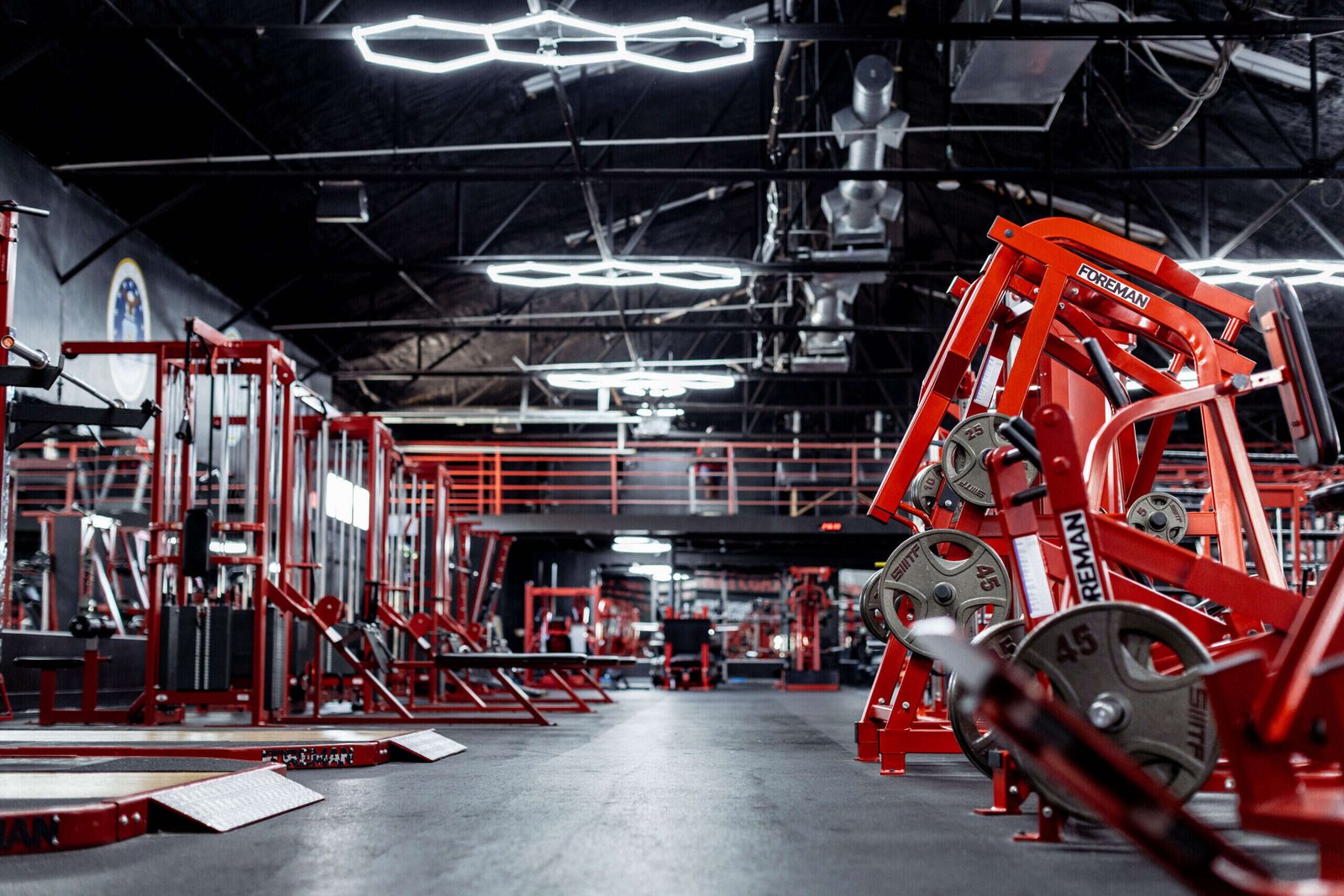
Gryffon Performance is a private training studio at 1925 E Levee St, Dallas, TX 75207, in the Dallas Design District, with free parking. We’re about 12 minutes from Highland Park and close to Uptown, Oak Lawn, the Medical District and Bluffview, and we coach people from the Park Cities and across Dallas. Get directions
50+ five-star Google reviews. Fifteen thousand square feet, private, built for coaching and nothing else. Every client gets a comprehensive assessment and personalized nutrition, included.
Apply for coaching and tell us when in the day you hit the wall. You’ll hear back within 24 hours, and your first session with us is a complimentary strategy session.
Related reading
- Personal Training for Busy Professionals in Dallas
- Working From Home in Dallas? Why Your Training Keeps Slipping
General information about training, not medical advice.
References
- Puetz TW, O’Connor PJ, Dishman RK. Effects of chronic exercise on feelings of energy and fatigue: a quantitative synthesis. Psychological Bulletin, 2006;132(6):866-876. doi:10.1037/0033-2909.132.6.866