
You’ve been told to “just walk more” for years. You did, for a while. You’ve tried the diets too, and some worked until they didn’t. Lifting has crossed your mind, but the picture isn’t great: a crowded floor, machines that don’t seem built for your body, and everyone watching the new person.
Meanwhile your knees ache on the office stairs, and getting up off the floor with your kids takes a hand on the couch.
Here’s the short answer: strength training is one of the most useful things you can start when you have a lot of weight to lose, and you can start exactly where you are. It helps you lose fat while keeping the muscle that makes you strong, and it starts with positions and loads that fit your body today. If you’re ready to stop starting over, apply for coaching and describe where you’re starting. Your first session with us is a complimentary strategy session.
Key points
- You can start lifting before you lose a pound. Strength training is a way to lose it, and to keep your muscle while you do.
- A meta-analysis of 114 trials and 4,184 people with overweight or obesity found resistance training plus a calorie deficit cut about 5.3 kilograms of fat mass.
- Starting well means the right positions, a load you can own and small steps up, chosen so your joints come along for the ride.
- Nutrition coaching matters as much as the training, and it should feel like a plan you can live with, not a punishment.
Do you need to lose weight before you start lifting?
No. In our experience it’s one of the most common things people wait on, and it gets the order backward. Strength training isn’t a reward for losing weight. It’s one of the tools for losing it well.
Here’s why. When you eat less to lose weight, your body loses some fat and, if nothing tells it otherwise, some muscle too. Muscle is what lets you climb stairs, carry groceries and get up off the floor easily. Lifting gives your body a reason to hold on to it. The goal isn’t just a smaller number on the scale. It’s losing fat and keeping, or building, the strength underneath.
What does the research show for people with weight to lose?
A 2022 meta-analysis by Lopez and colleagues pulled together 114 randomized trials and 4,184 participants with overweight or obesity. Resistance training combined with a calorie deficit was the most effective approach for cutting body fat, reducing body fat percentage by about 3.8 points and fat mass by about 5.3 kilograms compared with no intervention. Resistance training on its own added about 0.8 kilograms of lean mass, and when it was paired with a calorie deficit, lean mass held steady. The results held across ages and in both men and women.
Put that together and you get the pattern we’d want for you: fat coming down, muscle staying put. The way we see it, that’s the difference between ending up smaller and ending up stronger, leaner and more capable.
Strength training for overweight beginners: how we’d start
Our approach, not a program. Where you start depends on your body, your history and what you want to be able to do.
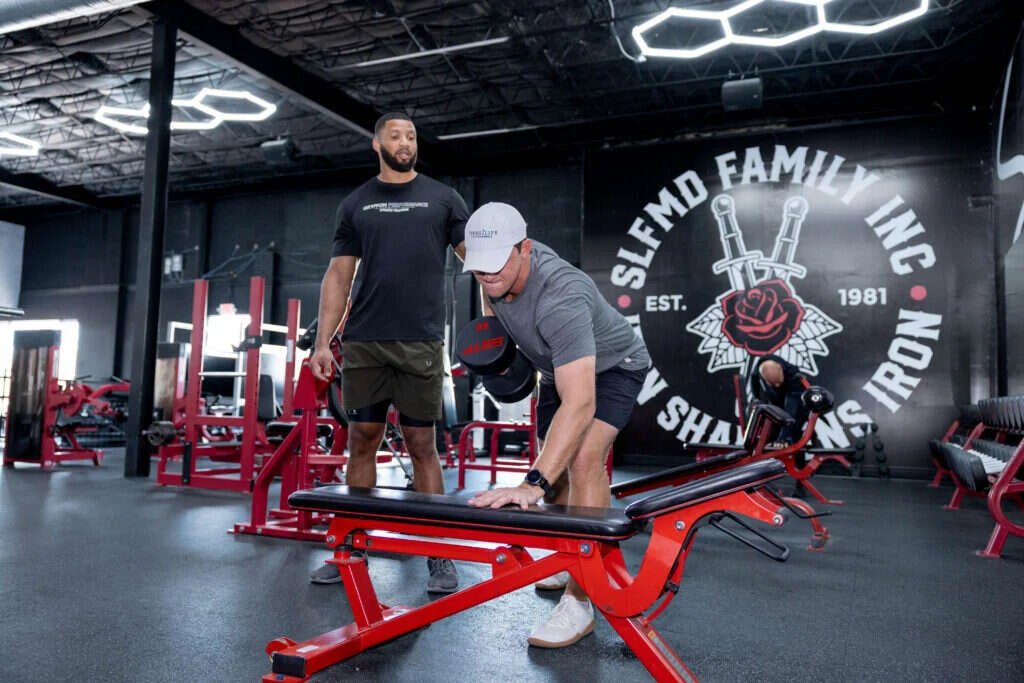
- Positions that fit you. A higher box to squat to, a wider stance, an incline instead of the floor for push-ups. Good coaching changes the exercise to fit your body, not the other way around.
- A load you can own. Starting light enough to move well, then adding weight in small steps. Beginners often get stronger fast, and watching the numbers climb is a big part of why people stick with it.
- Joints that come along. Your hips, knees and back already carry a lot. Building the muscle around them helps them handle it.
- Conditioning that doesn’t punish. Walking, a sled, a bike. Enough to build your engine, never so much that you dread the next session.
- Food you can live with. Nutrition coaching, personalized and included in your training program. No crash diet. Calorie and protein targets that fit your life, and they change when your weight, training or appetite does.
- Wins that aren’t the scale. More weight on the bar, stairs that feel easier, getting up from the floor without a hand. Those count, and they often show up before the mirror changes.
Why is starting on your own so hard?
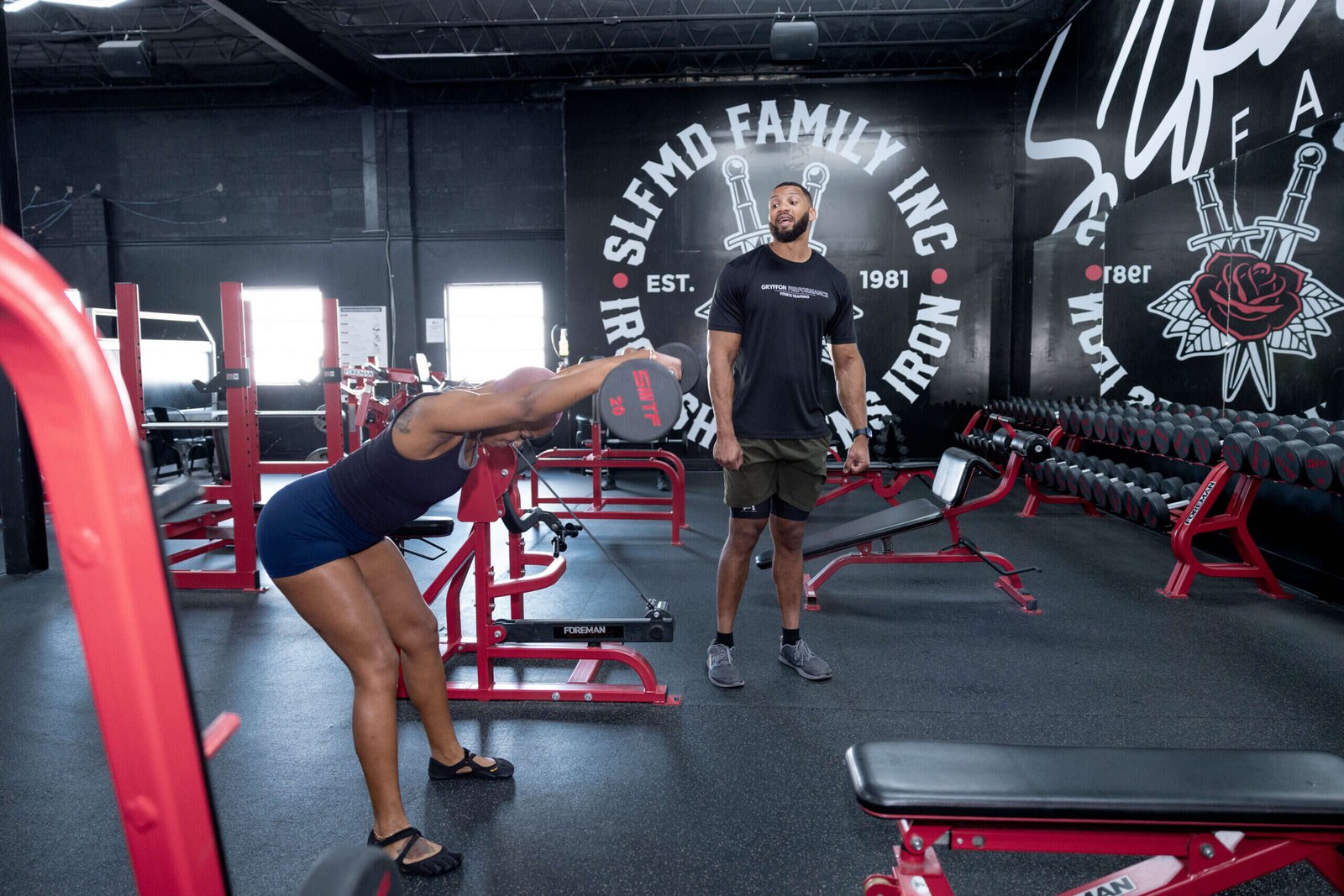
Starting alone usually goes one of two ways. You go too hard, end up sore for four days and decide lifting isn’t for you. Or you go so easy, out of caution, that nothing changes and you drift away by week six. Finding the middle, and moving it forward week by week, is the part a coach is for.
Keeping you injury-free is part of the job, and we take it seriously. When you’re carrying extra weight, a rushed progression or a bad position costs more, and a few weeks off can feel like the end of the attempt. So each exercise, each load and each step up gets picked to build you up without hurting you.
Aches are part of this too. Knees on the stairs, a lower back that’s stiff after a long drive. From what we see, those usually aren’t a sign you shouldn’t train. They’re often a sign the muscles around the joint need to get stronger. Guessing tends to mean either avoiding the exercise or grinding through it. We’d rather build the muscle around a sore joint slowly than avoid it forever.
And it’s a lot to figure out. What to lift, how much, what to eat, how to change it when progress slows. Handing that off frees you to just show up and do the work, and you’ll learn why each piece matters as you go.
From the floor: In our experience, people starting with a lot of weight to lose have usually been more disciplined than they get credit for. They’ve walked the miles and eaten the salads. What they haven’t had is a plan built for their body, a coach adjusting it, and a place without an audience.
If you’ve been waiting to “get in shape first,” apply for coaching and say what keeps stopping you.
Does the room you train in matter?
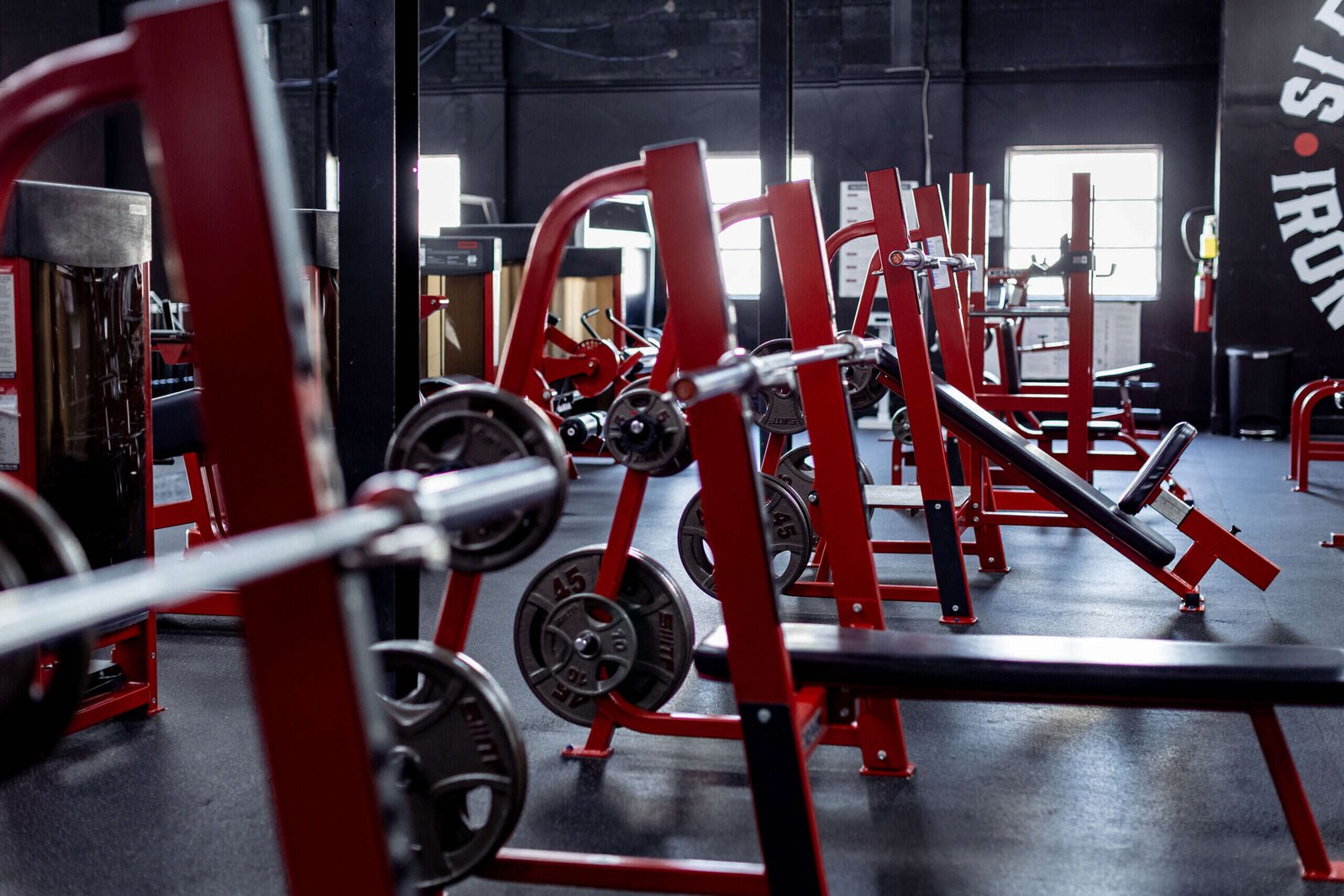
It matters more than people admit. Walking onto a packed floor where you feel like the only beginner is a real barrier, and it’s one more reason to skip. Our studio is private and built for coaching, with fifteen thousand square feet and no crowd to perform for. You’re there to train, and that’s all anyone expects of you.
If you’re on a GLP-1 medication, strength training matters even more, because protecting muscle during fast weight loss is part of doing it well. It’s one of the areas we focus on.
What does waiting cost?
Every month spent waiting to be ready is a month of strength you could have been building. There’s no weight you have to reach first, and nobody here is going to make you feel bad about where you’re starting.
Losing weight is only part of what we’re after with you. The body we’re helping you build at Gryffon Performance is lean, balanced and strong enough for the life you want, not just lighter.
First comes a complimentary strategy session, sixty unhurried minutes with David, who founded Gryffon and leads the coaching. It’s a conversation first: your goals, what you’ve tried, your schedule and anything that hurts. Then a physical assessment at your pace, a talk about food and a look around. Nothing about it is a test you can fail. You’ll leave knowing where you’re starting, how training will fit your week, and the next step.
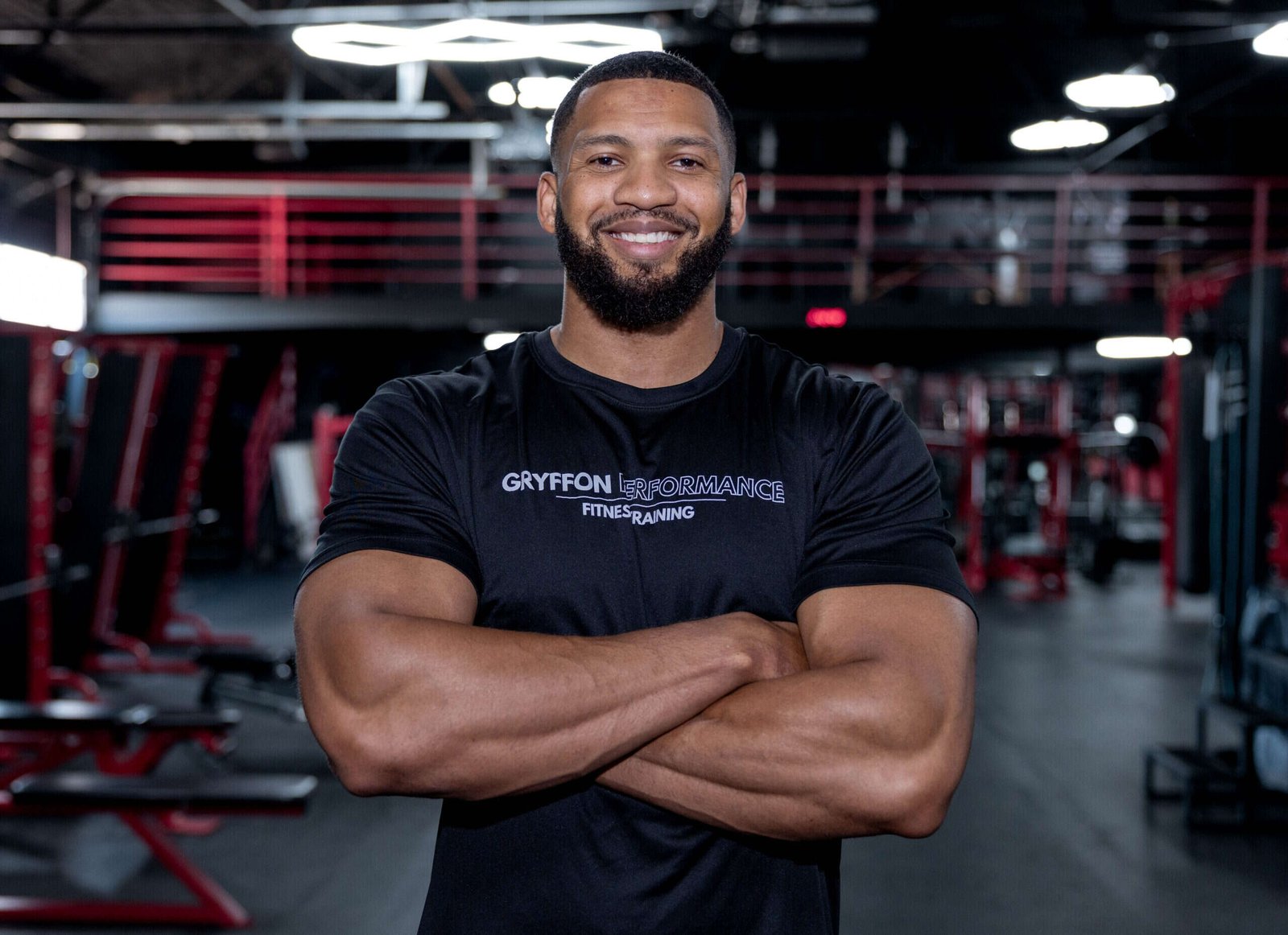
David knows what starting over feels like. He’s put in over 15 years coaching men and women. After a serious back injury he had to rebuild his own strength from the ground up, then kept going until he could deadlift 600 pounds.
Not sure what your body’s ready for? You don’t have to figure that out before you come in. David watches you move in person, and if something’s beyond training, he knows exactly which doctor should see it.
Starting strength training in Dallas
Gryffon Performance is a private training studio at 1925 E Levee St, Dallas, TX 75207, in the Dallas Design District, with free parking. We’re about 12 minutes from Highland Park and close to Uptown, Oak Lawn, the Medical District and Bluffview, and we coach people from the Park Cities and across Dallas. Get directions
50+ five-star Google reviews. Fifteen thousand square feet, private, built for coaching and nothing else. Every client gets a comprehensive assessment and personalized nutrition, included.
Apply for coaching and tell us what you want to be able to do. You’ll hear back within 24 hours, and your first session with us is a complimentary strategy session.
Related reading
- Personal Trainer for Weight Loss in Dallas: What Actually Works
- Personal Training for Beginners Who’ve Never Lifted
General information about training, not medical advice.
References
- Lopez P, Taaffe DR, Galvão DA, et al. Resistance training effectiveness on body composition and body weight outcomes in individuals with overweight and obesity across the lifespan: a systematic review and meta-analysis. Obesity Reviews, 2022;23(5):e13428. doi:10.1111/obr.13428. PMID 35191588.