
The hardest part of hiring a coach isn’t the training. It’s not knowing what you’re agreeing to.
People sit on the decision for months, sometimes years, because the whole thing is a black box. You fill out a form and then something happens. Nobody tells you what.
So here’s the honest version of the first month, start to finish. No sales language, just the sequence.
Before you start: the application
The form asks about your goals, your training history, your schedule, and anything going on physically. That last field is the one people hesitate over, and it’s the one that matters most.
About half the people who start here have something going on physically. A knee. A lower back that’s been an issue for years. A shoulder that got operated on a while back. Plenty of people write nothing in that field and then mention something in person, which is part of why the first appointment exists.
None of it disqualifies anybody. It’s the opposite. It’s the information that decides how the first few weeks get built, and leaving it out just means we find out later and lose time.
You’ll hear back within 24 hours. Then there’s a short phone conversation, mostly so both sides can tell whether this is a fit before anybody books anything.
Week one: the Transformation and Fitness Strategy Session
This is a 60 minute in person appointment, and it happens before any training does.
It covers your goals, your training history, your lifestyle, your schedule, your current ability, and any pain or joint concerns. It includes a physical assessment. You’re not being tested and there’s no score at the end of it. The point is to find your actual starting point rather than assuming one.
You leave with three things: a clear starting point, a training schedule built around your real week, and a plan you understand. Not a plan you were handed and told to trust.
Training usually begins at the next session that fits your schedule. Sometimes that’s the following day.
Weeks one and two: learning the movements
The first two weeks are less about how much you lift and more about how you lift it.
Expect to be coached through the work, with technique corrected as it happens rather than after the fact. Expect to be told to use less weight than your ego wants. Expect a fair amount of it to feel unfamiliar even if you’ve trained before, because most people arrive with habits picked up somewhere nobody was paying attention.
You’ll probably be sore. That’s normal in week one and it settles down.
What shouldn’t happen is joint pain. If something aggravates a knee or a shoulder, say so during the set, not three weeks later. The variation gets changed on the spot. That’s the entire advantage of training somewhere coaching is the whole point of the room.
Nutrition starts in the first month too
Personalized nutrition coaching is included for every client. Not sold separately, not a PDF.
It’s built around your goals, your schedule, what you actually eat, and how you actually live. Nobody’s going to hand you a meal plan of chicken and broccoli and act surprised when you abandon it in nine days. Early on the changes are usually small and structural. Protein most people aren’t getting. A meal that keeps collapsing. Whatever’s genuinely in the way.
This is the part most people underestimate, and it’s the part that decides whether the training turns into a visible result.
Weeks three and four: it starts feeling normal
Something shifts around week three. The movements stop requiring so much thought. The weights start climbing. Showing up stops being a decision you have to make every time and turns into a thing you just do on Tuesdays.
That’s the actual milestone of month one. Not a number on a scale.
Honest expectation setting: four weeks is enough to feel noticeably stronger, sleep better, and move without as much stiffness. It’s usually not enough to see a dramatic change in the mirror. Anybody promising you that in a month is selling you something. Visible body composition change takes longer and depends heavily on where you started and how the nutrition side goes.
What you should have after a month is momentum and a body that’s stopped protesting.
What the room is like
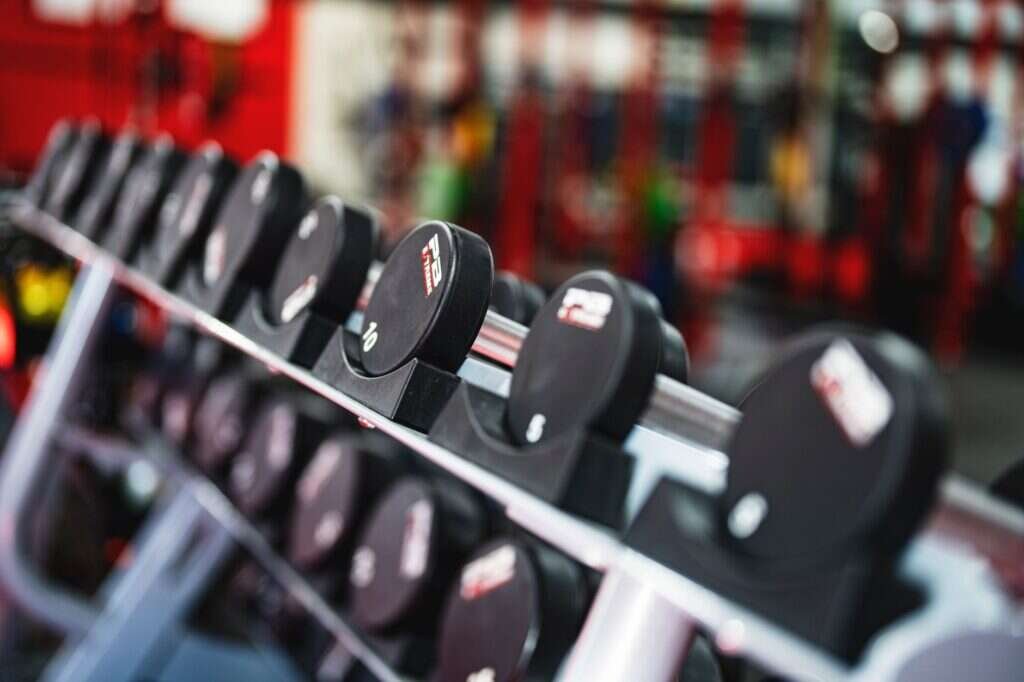
Gryffon Performance trains out of a private 15,000 square foot facility at 1925 E Levee St in the Dallas Design District. It’s a private studio, not a public gym floor, which in practice means there’s no waiting for equipment, nobody filming, and none of the crowd you’d find at a big box gym.
People worried about being the least fit person in the room are the ones who tend to relax fastest once they see it. Take a look at the space if you want a sense of it before you come in.
What we don’t promise
No guaranteed pound counts, no timelines, no transformation date. We’re strength and nutrition coaches, not physicians or physical therapists. Coaching doesn’t diagnose or treat injuries, and if you’ve got pain that hasn’t been looked at, get it looked at.
What we do commit to is that you’ll know what you’re doing and why, every session.
Starting personal training in Dallas
40+ five-star Google reviews. Fifteen thousand square feet, private, built for coaching and nothing else. Every client gets a comprehensive assessment and personalized nutrition, included. We give our clients the coaching and the tools to get results like nobody else in Dallas.
If the only thing stopping you was not knowing how it works, now you know.
Apply for coaching and we’ll be in touch within 24 hours.
Related reading
- Private Training Studio vs Public Gym: What Actually Changes
- Training here from Highland Park and the Park Cities
- Training here from Uptown and Turtle Creek
- Personal Training for Busy Professionals in Dallas
- Frequently asked questions
This article shares general information about coaching and training. It isn’t medical advice, and it doesn’t diagnose or treat any condition. Speak with your physician before starting a new training program, particularly if you have pain, an injury, or an existing medical condition.